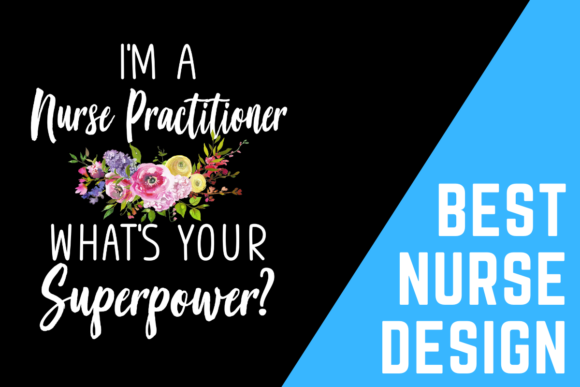
Designing for Nurse Practitioners: A Creative Guide
As a graphic designer, understanding the unique needs and preferences of specific professions can significantly enhance your work. If you're designing for a Nurse Practitioner, it's essential to create visuals that not only appeal to their professional identity but also resonate with their values and daily experiences.
The Importance of Visual Identity in Healthcare
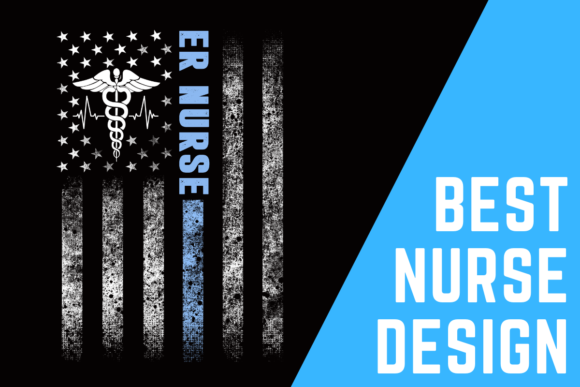
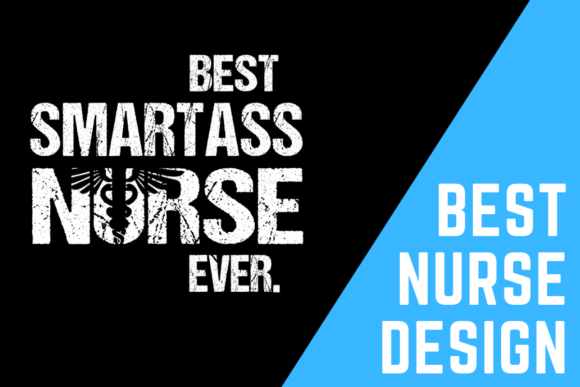
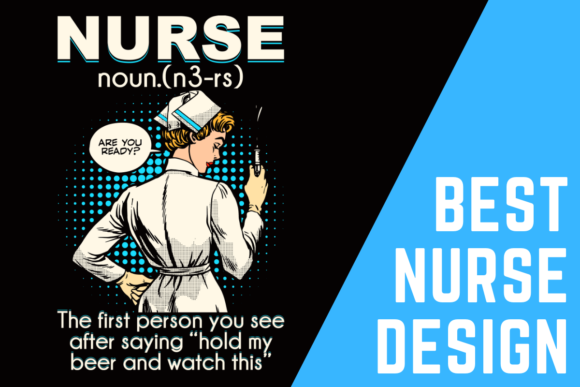
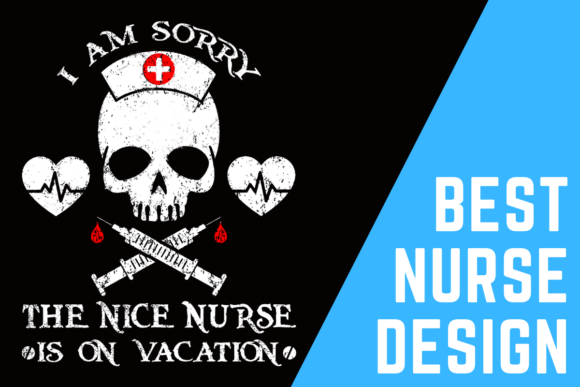
In the healthcare sector, visual identity plays a crucial role in establishing trust and professionalism. For Nurse Practitioners, this means creating designs that are both visually appealing and functionally effective. Whether it's a custom t-shirt, a digital product, or a marketing flyer, the design should reflect the dedication and care that these professionals embody.
Practical Applications in Design
Here are some practical applications where thoughtful design can make a significant impact:
- Branding and Logo Design: Develop logos that are simple, memorable, and reflective of the nursing profession. Use elements like stethoscopes, hearts, or medical symbols creatively.
- Marketing Materials: Create brochures, flyers, and posters that use a consistent color palette and typography. Highlight the compassionate and skilled nature of Nurse Practitioners.
- Social Media Content: Design engaging social media graphics that share success stories, tips, and educational content. Use vibrant colors and clear, readable fonts.
- Website and UI Design: Ensure that the website is user-friendly and accessible. Use high-quality images of real Nurse Practitioners and patients to add authenticity.
- Editorial Layouts: For journals, newsletters, or blogs, use clean, organized layouts with ample white space. Incorporate infographics and charts to present data clearly.
- Packaging Design: For any physical products, such as first aid kits or promotional items, use packaging that is both functional and aesthetically pleasing. Include the brand logo and a brief, impactful message.
Choosing the Right Design Elements
Selecting the right design elements is key to creating a polished and professional result. Here are some tips to guide you:
- Typography: Choose fonts that are easy to read and convey a sense of reliability. Sans-serif fonts like Arial or Helvetica are often a good choice for modern, clean designs.
- Color Palette: Use a color scheme that is soothing yet professional. Blues and greens are commonly associated with healthcare and can be very effective.
- Composition and Imagery: Use imagery that reflects the diversity and humanity of the nursing profession. High-quality, authentic photos can make a big difference.
- Visual Hierarchy: Organize information in a way that is easy to follow. Prioritize important messages and use headings and subheadings effectively.
Enhancing User Engagement
Effective design not only looks good but also enhances user engagement. For Nurse Practitioners, this means creating materials that are informative, easy to understand, and visually appealing. Whether it's a patient brochure or a training manual, the design should facilitate better communication and understanding.
Conclusion
Designing for Nurse Practitioners requires a blend of creativity and functionality. By focusing on the unique needs and values of this profession, you can create designs that not only look great but also serve a meaningful purpose. Whether you're working on a custom t-shirt, a digital product, or a marketing campaign, thoughtful and well-executed design can make a significant difference in how your message is received and remembered.